
Taiwan Hair Growth Serum: What the Research Really Says
For years, researchers have searched for new ways to stimulate hair regrowth beyond traditional treatments such as topical minoxidil, oral medications, platelet-rich plasma, and low-level light therapy. While these approaches may help many individuals, scientists continue to investigate new biological pathways that could improve hair follicle regeneration.
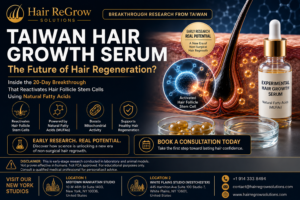
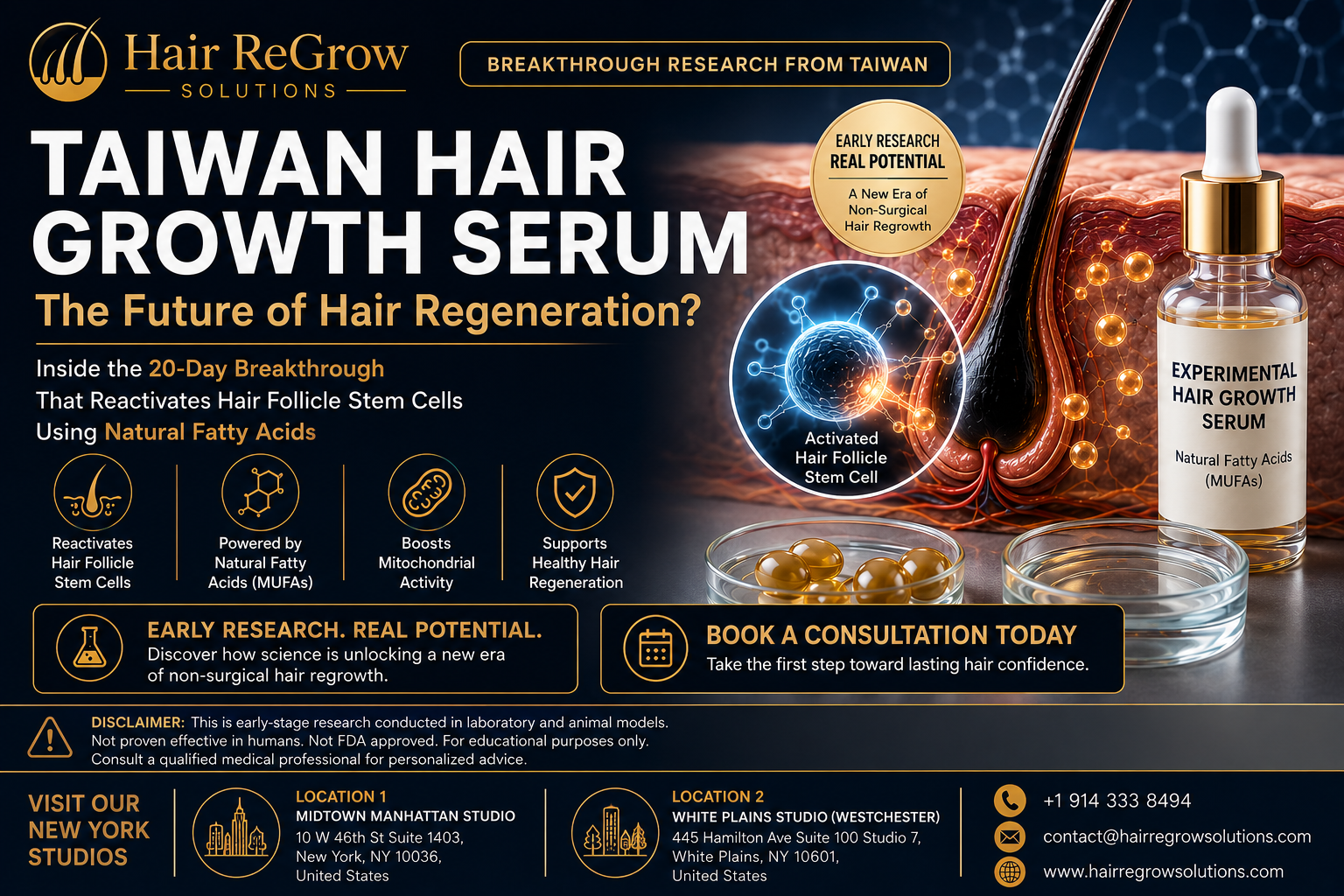
One of the most talked about developments in recent months is the Taiwan Hair Growth Serum, an experimental formulation developed by researchers at National Taiwan University. After headlines claimed the serum could restore hair in just 20 days, interest quickly spread across news outlets and social media.
But how much of those headlines reflects the actual science?
The answer is more nuanced than many reports suggest.
The research, published in the prestigious journal Cell Metabolism, does not describe a miracle cure for baldness. Instead, it presents a fascinating discovery about how specific naturally occurring fatty acids may help reactivate dormant hair follicle stem cells by improving the biological environment surrounding the follicle.
For researchers in regenerative medicine, this represents an exciting scientific breakthrough. For people experiencing hair thinning, however, it remains an early-stage discovery that requires considerably more research before it becomes a treatment available in clinics.
In this guide, we examine what the Taiwan Hair Growth Serum is, how it works, what the research actually found, and what it could mean for the future of non-surgical hair restoration.
Why Did the Taiwan Hair Growth Serum Become Global News?
Hair loss affects millions of people worldwide, making any promising scientific discovery attract immediate attention. The headlines became particularly eye catching because many news articles suggested the serum could:
- Restore hair within 20 days
- Reactivate dormant follicles
- Replace existing hair loss treatments
- Offer a natural solution for hair regrowth
While these statements were inspired by genuine scientific findings, they often lacked important context. The original research focused primarily on understanding how the hair follicle micro environment changes during inflammation and how certain naturally occurring fatty acids may help restore healthy follicle function.
Rather than simply creating another cosmetic serum, the researchers investigated one of the most fundamental questions in hair biology: Why do healthy hair follicles stop producing strong hair, and can the surrounding tissue be repaired to restart normal growth?
This distinction is important because modern hair restoration research increasingly focuses on improving the health of the follicle’s surrounding environment rather than treating the hair shaft alone.
The Research Behind the Taiwan Hair Growth Serum
The breakthrough originated from researchers at National Taiwan University, whose work was published in Cell Metabolism, one of the world’s leading peer-reviewed journals covering metabolism and regenerative biology.
Instead of testing another conventional hair growth ingredient, the research team explored how metabolic communication between skin cells influences the hair growth cycle. Their work focused on several interconnected biological systems, including:
- Hair follicle stem cells
- Adipocytes (fat cells)
- Macrophages
- Fatty acid metabolism
- Lipolysis
- Inflammation
- Tissue regeneration
- Mitochondrial function
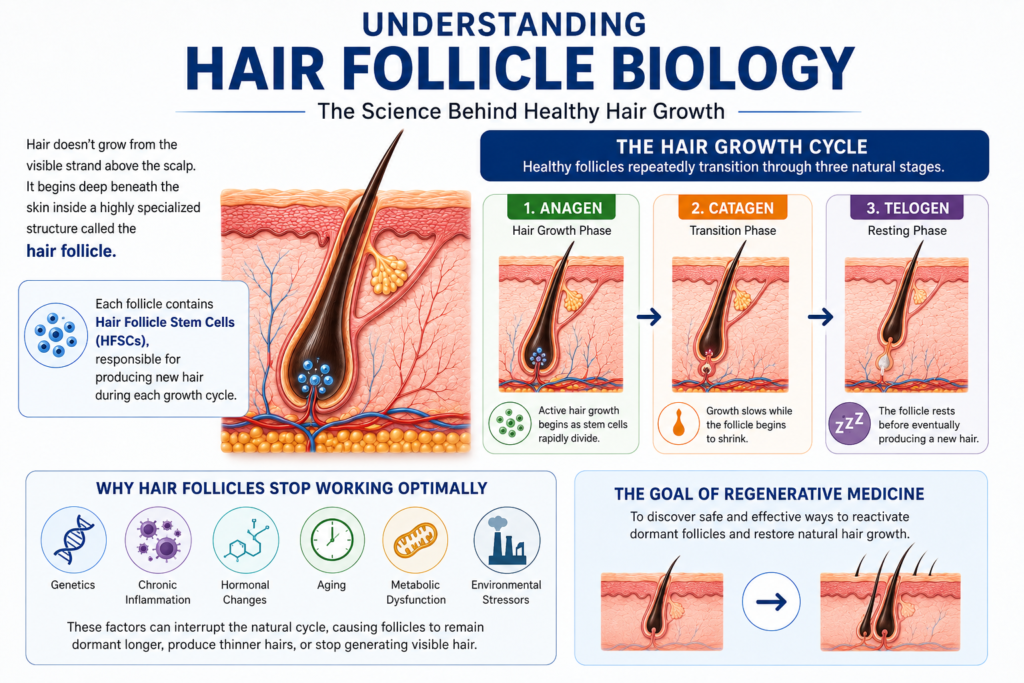
These systems continuously communicate with one another inside healthy skin. When this communication becomes disrupted because of inflammation, aging, or tissue damage, hair follicles may gradually become less active, eventually producing thinner hairs or entering prolonged resting phases.
The researchers wanted to determine whether restoring this biological communication could help hair follicles recover their regenerative ability.
The Surprising Role of Fat Cells in Hair Growth
One of the most interesting discoveries from the National Taiwan University study involves adipocytes, commonly known as fat cells. Although fat cells are often associated with energy storage, they also function as highly active endocrine cells that release signaling molecules capable of influencing surrounding tissues.
Previous studies had already suggested that adipocytes help regulate:
- Skin repair
- Wound healing
- Immune responses
- Tissue regeneration
- Hair follicle cycling
The Taiwanese researchers expanded this understanding by investigating how adipocytes release specific fatty acids capable of communicating directly with hair follicle stem cells. Rather than acting as passive storage tissue, these fat cells appeared to function almost like biological support cells that help maintain healthy follicle activity. This finding may significantly influence future regenerative therapies beyond hair restoration.
Oleic Acid and Palmitoleic Acid: Why They Matter
Among the many biological molecules studied, two naturally occurring fatty acids emerged as particularly important:
- Oleic acid
- Palmitoleic acid
Both occur naturally within the human body and are involved in numerous metabolic processes. The researchers found that these fatty acids appeared capable of improving communication between adipocytes and hair follicle stem cells under certain experimental conditions.
Instead of acting as direct hair growth stimulants, they seem to help restore a healthier regenerative environment around the follicle. This distinction is crucial. The study does not conclude that simply applying olive oil, consuming foods rich in oleic acid, or using over-the-counter fatty acid products will regrow hair.
The observed effects resulted from carefully designed laboratory formulations studied within highly controlled experimental settings. The biology is considerably more sophisticated than simply increasing dietary fat intake.
A New Direction for Hair Restoration Research
The significance of the Taiwan Hair Growth Serum extends beyond one experimental product. It reflects a broader movement within regenerative medicine toward treating the biological ecosystem surrounding hair follicles rather than focusing solely on the follicles themselves.
Researchers now recognize that successful hair regeneration may depend on restoring healthy communication between stem cells, immune cells, metabolic pathways, and surrounding tissues. This systems-based approach could eventually influence future treatments for various forms of hair loss.
However, it is equally important to remember that these findings remain part of ongoing scientific research. The experimental serum has not received regulatory approval, is not commercially available, and should not currently be viewed as a replacement for established evidence-based therapies.
In the next section, we will examine the underlying biological mechanisms in greater depth, including the roles of adipocytes, fatty acid oxidation, lipolysis, macrophages, mitochondrial biogenesis, serum amyloid A3, inflammation, and tissue regeneration, and explain why these pathways have become central to modern hair regeneration research.
How the Taiwan Hair Growth Serum Works: The Science Behind the Discovery
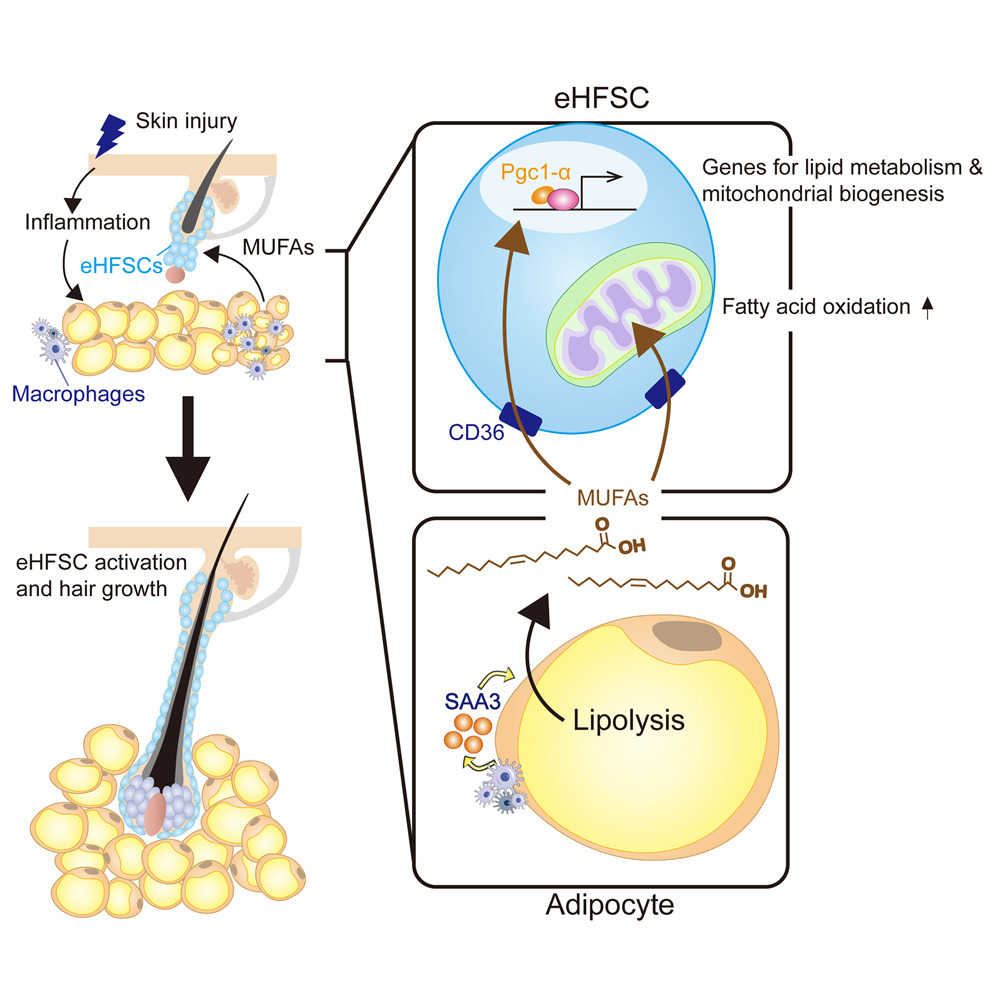
The excitement surrounding the Taiwan Hair Growth Serum is not simply because researchers identified two promising fatty acids. The real breakthrough lies in uncovering how multiple biological systems communicate with one another to regulate hair follicle regeneration.
Hair growth is far more complex than simply “turning follicles on.” Every healthy follicle depends on continuous communication between stem cells, immune cells, fat cells, blood vessels, and the surrounding skin tissue. If one part of this biological network becomes disrupted, the follicle may gradually lose its ability to produce healthy hair.
The National Taiwan University researchers focused on restoring this communication network rather than targeting the follicle alone.
Adipocytes: More Than Just Fat Cells
For many years, adipose tissue was viewed mainly as energy storage. Modern research now shows that adipocytes function as active endocrine cells that constantly release signaling molecules capable of influencing nearby tissues. Within the scalp, adipocytes help regulate:
- Hair follicle stem cell activity
- Skin repair
- Wound healing
- Immune responses
- Tissue regeneration
- Hair cycling
Researchers have discovered that healthy adipocytes create an environment that supports follicle regeneration. When adipocyte function becomes impaired because of aging, chronic inflammation, metabolic disease, or tissue injury, the surrounding follicles may receive fewer regenerative signals. This may contribute to:
- Thinner hair shafts
- Slower regrowth
- Longer resting phases
- Progressive follicle miniaturization
The Taiwan study investigated whether restoring healthy adipocyte signaling could help dormant follicles become biologically active again.
Hair Follicle Stem Cells: The Real Target
Every hair follicle contains a small population of hair follicle stem cells (HFSCs) located in an area known as the bulge region. These stem cells are responsible for initiating each new growth cycle. Under ideal conditions, they remain inactive until they receive the correct biological signals. Once activated, they begin producing new follicular cells that eventually form a growing hair shaft.
If these signals become disrupted, the stem cells may remain dormant despite still being present. This distinction is extremely important. Many individuals experiencing hair thinning still possess living follicles. The challenge is that these follicles no longer receive the proper regenerative environment needed to enter a healthy anagen phase. The Taiwan Hair Growth Serum research focused on restoring these regenerative signals.
Lipolysis: Releasing Regenerative Signals
Another key biological process investigated in the study is lipolysis. Lipolysis refers to the breakdown of stored fat into smaller molecules, including free fatty acids. These fatty acids are not simply fuel for the body. Many also function as signaling molecules. During healthy tissue repair, adipocytes release specific fatty acids that influence nearby stem cells. The researchers found evidence suggesting that certain products of lipolysis may help restore communication between adipocytes and hair follicle stem cells. Rather than acting directly on the hair shaft, these signaling molecules appear to improve the biological environment surrounding the follicle.
Oleic Acid and Palmitoleic Acid
Among the many fatty acids released during lipolysis, two received particular attention.
Oleic acid is a naturally occurring monounsaturated fatty acid found throughout the body. It participates in:
- Cell membrane structure
- Cellular signaling
- Energy metabolism
- Tissue repair
Within the experimental formulation, oleic acid appeared to contribute to improved regenerative signaling around the follicle. Importantly, this does not mean applying olive oil to the scalp produces the same effect. The experimental formulation uses highly controlled concentrations designed specifically for laboratory research.
Palmitoleic acid is another naturally occurring fatty acid involved in metabolic regulation. Researchers believe it may influence:
- Cell communication
- Tissue regeneration
- Inflammatory signaling
- Stem cell activity
The combination of oleic acid and palmitoleic acid appeared more effective than either molecule alone under the experimental conditions. This combination may represent one reason the findings attracted such widespread scientific attention.
Serum Amyloid A3: An Unexpected Discovery
One of the lesser-known molecules identified during the research is Serum Amyloid A3 (SAA3). SAA3 is involved in inflammatory signaling during tissue repair. Researchers observed changes in SAA3 activity while examining the biological pathways affected by the experimental treatment. Although its precise role remains under investigation, SAA3 may help coordinate communication between immune cells and surrounding tissues during regeneration. This illustrates how hair biology involves far more than follicles alone. The scalp functions as an integrated biological system.
Tissue Regeneration Rather Than Cosmetic Repair
Perhaps the most important concept emerging from the research is tissue regeneration. Traditional cosmetic products generally focus on improving the appearance of existing hair. The Taiwan research instead investigates whether damaged biological environments surrounding follicles can actually recover their regenerative function. Researchers are attempting to restore communication between:
- Hair follicle stem cells
- Adipocytes
- Macrophages
- List Metabolic pathways
- Immune signaling
- Tissue repair mechanisms
Experimental Findings in Animal Models
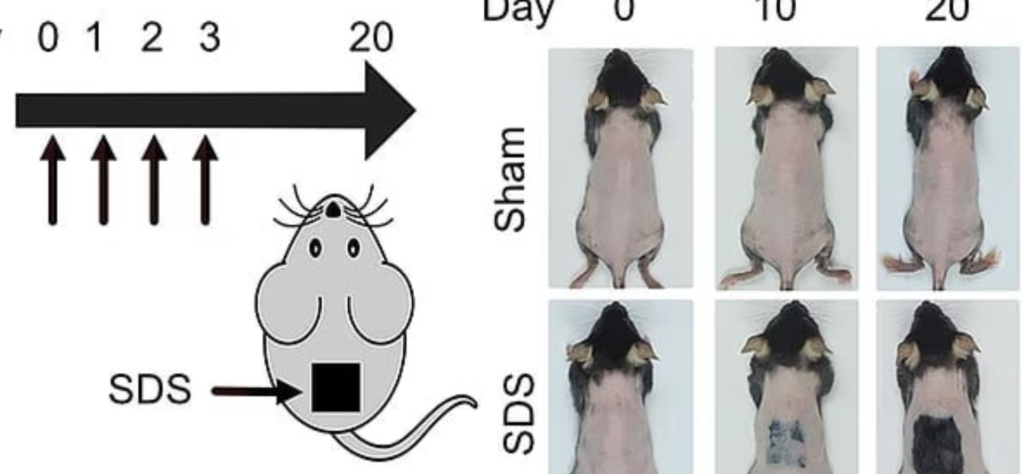
Much of the early research was performed using laboratory animal models. Researchers observed encouraging signs that the experimental formulation improved regenerative activity within damaged skin environments. Animal studies allow scientists to investigate biological mechanisms under carefully controlled conditions before progressing to larger human trials. While these findings are scientifically valuable, it is essential to recognize their limitations. Positive results in laboratory models do not always translate directly to humans. For this reason, additional clinical studies remain necessary before the serum could become an approved therapeutic option.
What the Research Does Not Claim
One reason the Taiwan Hair Growth Serum attracted so much media attention is that several reports simplified the findings. The published research does not conclude that:
- Every person with hair loss will regrow hair within 20 days.
- The serum cures androgenetic alopecia.
- Existing FDA-approved therapies should be replaced.
- The product is commercially available.
- People can recreate the formulation using dietary oils.
Instead, the study demonstrates a promising biological pathway that may eventually contribute to future regenerative therapies. That distinction is essential for understanding where this research fits within the broader landscape of hair restoration science.
How Does the Taiwan Hair Growth Serum Compare With Current Hair Loss Treatments?
The excitement surrounding the Taiwan Hair Growth Serum has led many people to ask an important question: Could this experimental treatment replace today’s hair restoration therapies?
Based on the current scientific evidence, the answer is not yet.
While the research introduces an innovative biological approach to stimulating hair follicle regeneration, it remains in the experimental stage. Existing treatments have undergone years of laboratory research, clinical trials, regulatory review, and real-world use. The Taiwan Hair Growth Serum, by comparison, is still at an earlier point in that journey.
Rather than viewing it as a replacement, it is more accurate to see this research as a promising addition to the future of regenerative hair restoration. Let’s compare it with some of today’s most widely used non-surgical options.
Comparison: Current Hair Restoration Approaches
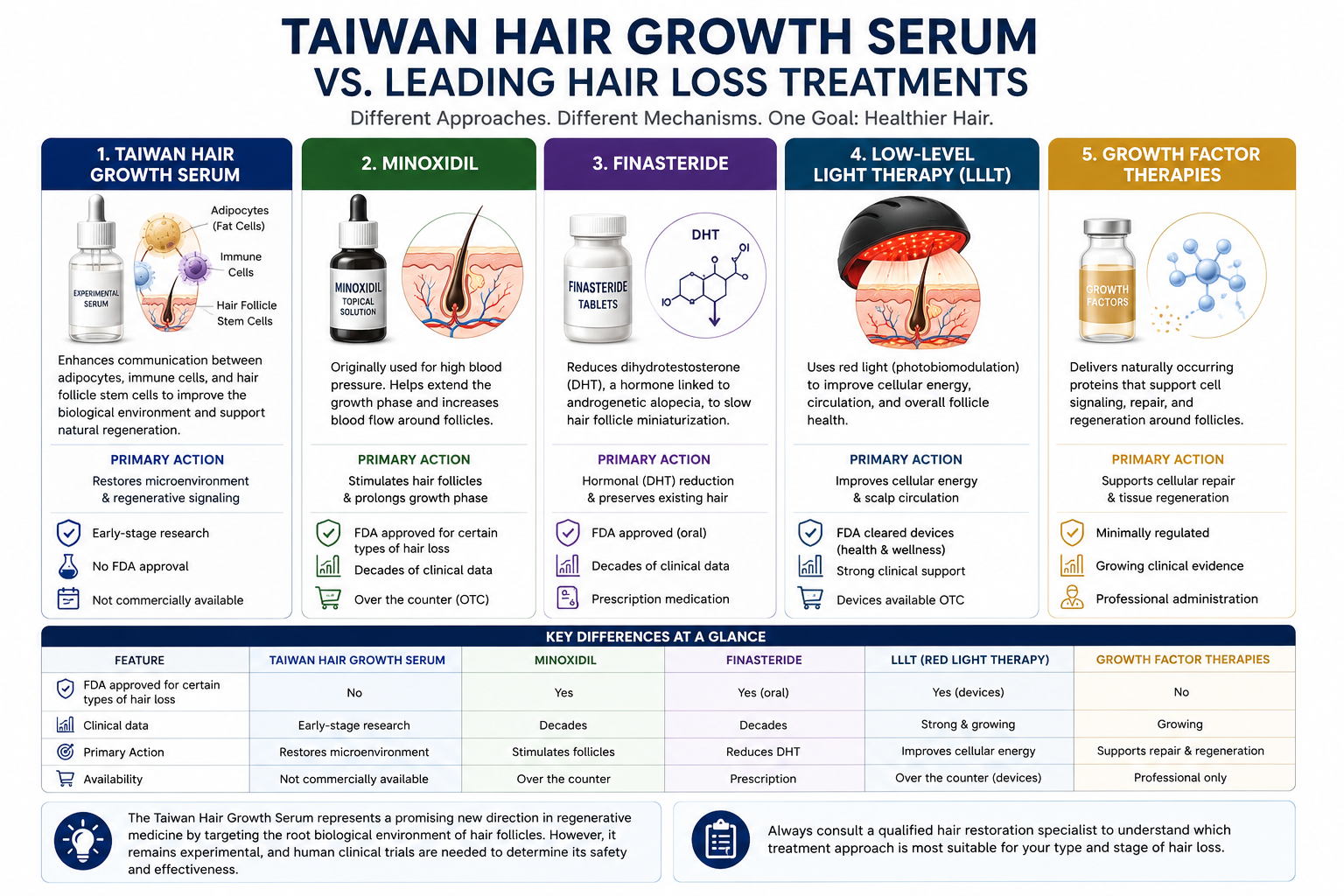
| Treatment | Primary Target | Evidence Level | FDA Status | Commercial Availability |
|---|---|---|---|---|
| Minoxidil | Follicle stimulation | Extensive | Approved | Yes |
| Finasteride | DHT reduction | Extensive | Approved | Yes |
| LLLT | Scalp support | Moderate-Strong | FDA-cleared | Yes |
| PRP | Growth factor delivery | Moderate | Variable | Yes |
| Growth Factor | Regenerative signaling | Emerging | Variable | Yes |
| Taiwan Serum | Fatty acid signaling | Early stage Myth | None | No |
What Makes the Taiwan Hair Growth Serum Different?
- Several aspects of the research distinguish it from previous hair restoration studies.
- It focuses on the follicle's surrounding environment. Instead of attempting to force follicles into growth, researchers sought to restore the biological conditions that naturally support regeneration.
- It investigates metabolic communication. The study examines how adipocytes, fatty acids, immune cells, and stem cells interact with one another.
- It explores regenerative medicine. Rather than treating symptoms alone, the research aims to improve the tissue environment itself.
- It expands understanding of hair biology. Even if the serum itself never reaches clinical practice, the biological insights gained from this research may influence future therapies.
Is the Taiwan Hair Growth Serum Available Today?
One of the most common questions following the viral news coverage is whether people can purchase the serum. The answer is no.
At the time of writing:
- The formulation remains experimental.
- It has not received FDA approval.
- It is not available through dermatology clinics.
- It is not sold by pharmacies.
- There are no approved commercial versions.
Consumers should be cautious of websites or products claiming to sell the Taiwan Hair Growth Serum, as these products are not associated with the published research. Instead, the scientific findings should be viewed as an important step toward understanding future regenerative therapies rather than an immediately available treatment option.
What Could the Taiwan Hair Growth Serum Mean for the Future of Hair Restoration?
The Taiwan Hair Growth Serum has generated excitement not because it offers an immediate cure for hair loss, but because it introduces a new way of thinking about how hair follicles regenerate. For decades, most hair restoration treatments have focused on slowing hair loss, stimulating existing follicles, or replacing lost hair through transplantation. While these approaches have helped many individuals, researchers continue to explore why hair follicles lose their regenerative ability in the first place. The National Taiwan University study contributes to this broader scientific effort by suggesting that improving the follicle’s surrounding environment may be just as important as stimulating the follicle itself. If future clinical trials confirm these findings, the research could influence the next generation of regenerative therapies designed to support healthier follicle function rather than simply encouraging temporary hair growth.
Common Misconceptions About the Taiwan Hair Growth Serum
As interest in the research has grown, several misconceptions have also appeared online.
-
Misconception 1:
The Serum Is Already Available At present, no approved commercial version of the Taiwan Hair Growth Serum is available. Any product claiming to be the same formulation should be approached with caution unless supported by credible scientific evidence. -
Misconception 2:
Natural Fatty Acids Alone Can Regrow Hair Oleic acid and palmitoleic acid occur naturally in the body and in various foods. However, the experimental treatment investigated carefully formulated biological interactions under laboratory conditions. Simply applying household oils or increasing dietary intake of these fatty acids is not equivalent to the experimental formulation described in the research. -
Misconception 3:
The Research Proves a Cure for Baldness Hair loss is a complex condition influenced by genetics, hormones, inflammation, metabolism, aging, and overall scalp health. The study identifies a promising regenerative pathway, but it does not demonstrate a universal cure for all forms of hair loss. -
Misconception 4:
Existing Treatments No Longer Matter Current evidence-based therapies remain the standard of care for many individuals experiencing hair loss. Until additional clinical trials are completed, the Taiwan Hair Growth Serum should be viewed as an emerging area of scientific investigation rather than a replacement for established treatments.
Key Takeaways
The Taiwan Hair Growth Serum represents one of the most intriguing developments in regenerative hair research in recent years. Rather than focusing solely on stimulating hair follicles, researchers investigated how improving communication between adipocytes, immune cells, and hair follicle stem cells may create a healthier environment for natural hair regeneration. Several important findings emerged from the research:
- Hair follicles depend on complex communication with surrounding tissues.
- Adipocytes play a much larger role in hair biology than previously understood.
- Oleic acid and palmitoleic acid may help support regenerative signaling under experimental conditions.
- Inflammation, metabolism, and tissue regeneration appear closely connected to healthy hair cycling.
- The treatment remains experimental and is not yet commercially available.
Perhaps most importantly, this research highlights how modern hair restoration is moving beyond simply treating visible hair. Scientists increasingly recognize that long-term follicle health depends on maintaining a healthy scalp environment supported by balanced immune function, cellular metabolism, and tissue regeneration. While additional research is needed before the Taiwan Hair Growth Serum becomes a clinical treatment, the biological discoveries made by the National Taiwan University team may help shape the future of regenerative dermatology and non-surgical hair restoration.
Professional Insight
Emerging research often generates excitement because it offers new possibilities for treating complex conditions such as hair loss. However, translating promising laboratory discoveries into safe, effective therapies requires careful clinical evaluation. For individuals experiencing progressive hair thinning, understanding the underlying cause remains just as important as exploring new treatments. A comprehensive scalp assessment can help identify contributing factors such as inflammation, hormonal influences, genetics, nutritional status, scalp health, and follicular activity before selecting the most appropriate treatment strategy. As regenerative medicine continues to evolve, personalized care will likely remain central to achieving the best possible outcomes.
View Full Report →Conclusion
The Taiwan Hair Growth Serum demonstrates how rapidly hair restoration science is evolving. Instead of viewing hair follicles in isolation, researchers are uncovering an intricate biological network involving adipocytes, immune cells, metabolic pathways, inflammation, and stem cell communication. Although the treatment is still experimental, the findings contribute valuable knowledge that may influence future therapies designed to restore the scalp’s natural regenerative environment. At the same time, it is important to separate scientific evidence from media headlines. The current research does not confirm a universal cure for hair loss or an immediately available treatment. Rather, it provides a strong foundation for future investigation into regenerative approaches that may one day complement existing evidence-based therapies. For anyone experiencing hair thinning today, the most effective approach remains understanding the underlying cause through professional evaluation and selecting treatment options based on current scientific evidence rather than viral claims.
Frequently Asked Questions
Is the Taiwan Hair Growth Serum available to the public?
No. At the time of writing, the Taiwan Hair Growth Serum is an experimental research formulation developed by scientists at National Taiwan University. It has not received FDA approval and is not commercially available through clinics, pharmacies, or online retailers. Be cautious of products claiming to be the same serum, as they are not associated with the published research.
Does the research prove hair can regrow in just 20 days?
Not exactly. The widely shared "20-day hair regrowth" headline comes from early experimental findings under controlled research conditions. While the results are promising, they do not mean every person experiencing hair loss will regrow hair within 20 days. Human biology is considerably more complex, and additional clinical trials are needed before similar outcomes can be confirmed in larger patient populations.
How is the Taiwan Hair Growth Serum different from Minoxidil?
Minoxidil primarily works by prolonging the hair growth phase and improving follicle activity. The Taiwan Hair Growth Serum follows a different scientific approach. It investigates how adipocyte-derived fatty acids may improve communication between hair follicle stem cells, immune cells, and surrounding tissues to create a healthier regenerative environment. Although both aim to support hair growth, they target different biological pathways.
Can I make the same treatment using olive oil or foods rich in healthy fats?
No. Although oleic acid and palmitoleic acid occur naturally in foods and within the human body, the experimental serum used highly controlled laboratory formulations designed specifically for biological research. Applying olive oil or increasing dietary fat intake does not replicate the mechanisms studied by researchers.
Is the Taiwan Hair Growth Serum considered a stem cell therapy?
No. The treatment does not involve injecting stem cells into the scalp. Instead, the research focuses on activating the body's existing hair follicle stem cells by improving the surrounding biological environment through metabolic signaling involving adipocytes and naturally occurring fatty acids.
When could this treatment become available?
It is impossible to predict an exact timeline. Before becoming available for clinical use, the treatment would typically require:
- Additional laboratory validation
- Large-scale human clinical trials
- Long-term safety evaluations
- Regulatory review
- Manufacturing approval
This process often takes several years, even for highly promising therapies.
What can people do while waiting for future treatments?
Although experimental research continues to advance, individuals experiencing noticeable hair thinning should not delay professional evaluation. Early identification of the underlying cause often provides the greatest opportunity to preserve existing hair and develop a personalized management plan. Current evidence-based approaches may include scalp assessment, lifestyle modifications, medically appropriate therapies, and non-surgical hair restoration options based on individual needs.
Ready to understand your unique hair loss pattern?
Concerned About Hair Thinning?
Hair loss can result from many different factors, including genetics, hormonal changes, scalp inflammation, stress, and overall follicle health. Identifying the underlying cause is an important first step before deciding on any treatment approach. At Hair ReGrow Solutions, our team takes a scalp-first, personalized approach to non-surgical hair restoration. Through comprehensive scalp assessments and evidence-informed treatment planning, we help individuals better understand their hair health and explore options that align with their unique needs. If you are noticing increased shedding or thinning, consider scheduling a professional consultation to learn more about your scalp health and the non-surgical solutions currently available.
Book Free Consultation →